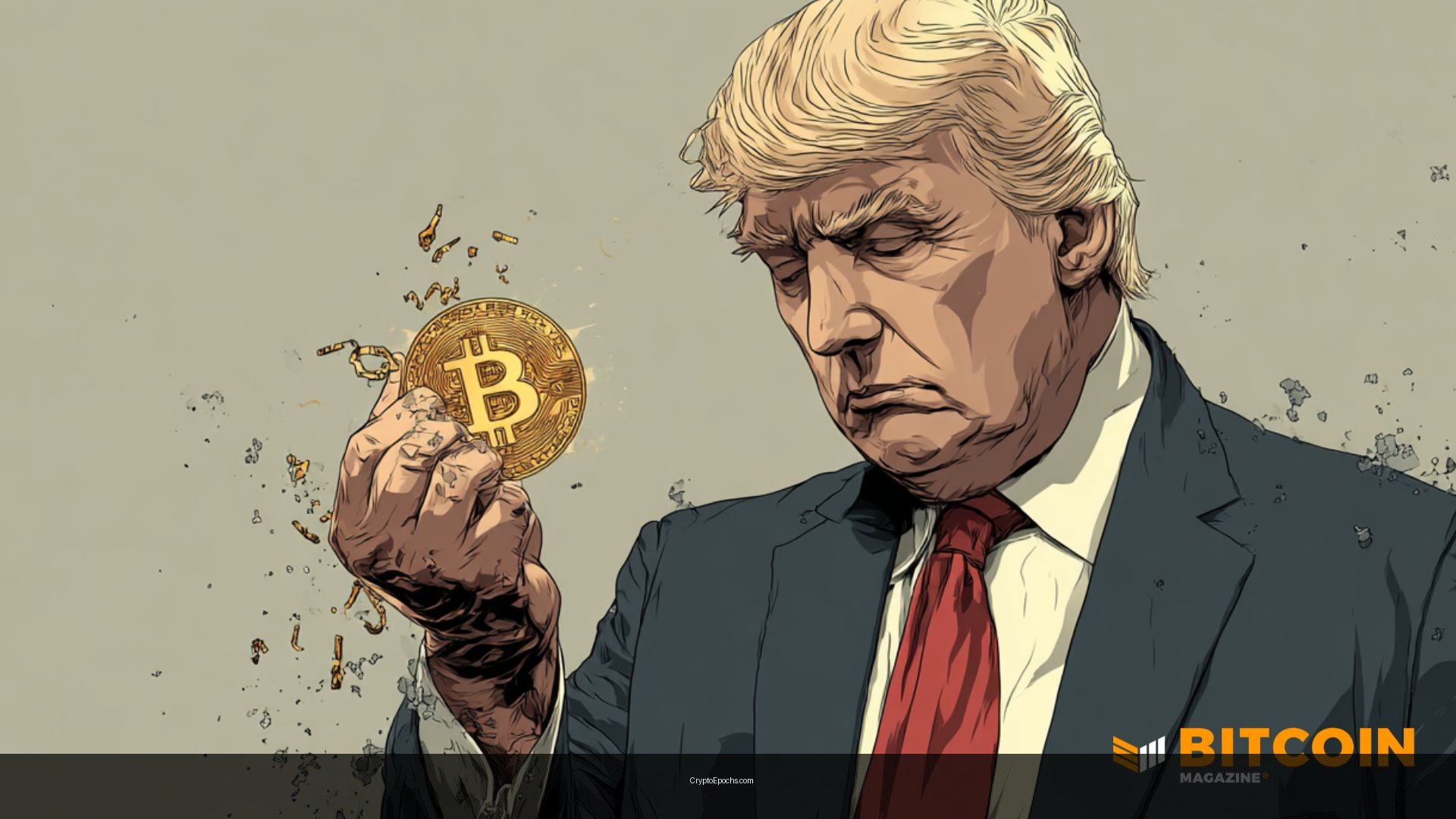
DOJ Prosecutors Under Fire for Potential Violation of Trump’s Executive Order
Key Takeaways
- The U.S. Marshall Service, directed by the Department of Justice, sold the forfeited Samourai Wallet Bitcoin on November 3, 2025, using Coinbase Prime.
- This action may be in direct violation of President Trump’s mandate to keep seized Bitcoin in the United States Strategy Bitcoin Reserve.
- The sale raises questions about the DOJ’s adherence to executive orders and the implications for future cryptocurrency seizures.
The Controversy Surrounding the Samourai Wallet Bitcoin Sale
On November 3, 2025, the U.S. Marshall Service, acting on behalf of the Department of Justice (DOJ), liquidated the Bitcoin forfeited by the Samourai Wallet developers as part of their plea deal. The sale, facilitated by Coinbase Prime, has sparked controversy and raised concerns that DOJ prosecutors may have violated President Trump’s executive order.
Understanding the Executive Order
President Trump’s mandate, aimed at maintaining the United States’ strategic interests in the cryptocurrency space, directs the government to retain seized Bitcoin in the United States Strategy Bitcoin Reserve. The order is designed to prevent the sale of seized assets, which could potentially disrupt the global cryptocurrency market or compromise national security.
DOJ’s Actions: A Potential Violation
By selling the forfeited Samourai Wallet Bitcoin, DOJ prosecutors may have directly contravened the executive order. This raises questions about the department’s adherence to presidential directives and its understanding of the implications of such actions on the broader cryptocurrency market.
Implications and Future Considerations
The sale of the Samourai Wallet Bitcoin sets a precedent for future cryptocurrency seizures. If the DOJ is found to have violated the executive order, it could lead to a reevaluation of the department’s handling of seized assets. Furthermore, it may prompt a reexamination of the United States’ strategy regarding cryptocurrency, national security, and the global market.
Conclusion
The DOJ’s decision to sell the forfeited Samourai Wallet Bitcoin has ignited a controversy that highlights the complexities of cryptocurrency regulation and the need for clear guidelines. As the investigation unfolds, it remains to be seen whether the department will be held accountable for potentially violating President Trump’s executive order.
Read Also Epochs