🔥 Key Takeaways
- El Salvador’s Bitcoin adoption strategy faced significant challenges in 2025.
- The International Monetary Fund (IMF) played a pivotal role in shaping the country’s crypto policies.
- Economic pressures and global regulatory scrutiny forced El Salvador to reconsider its Bitcoin ambitions.
El Salvador’s Bitcoin Journey: A Reality Check in 2025
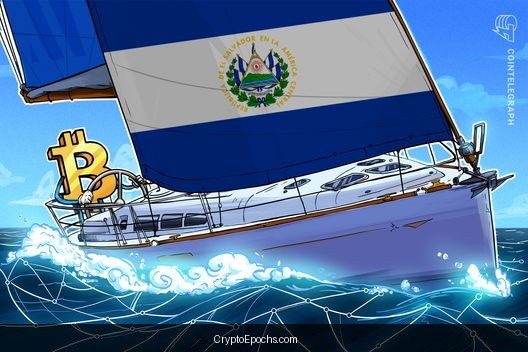
In 2021, El Salvador made headlines as the first country to adopt Bitcoin as legal tender, marking a bold step toward financial innovation. The government aimed to boost financial inclusion, attract foreign investment, and reduce reliance on the U.S. dollar. However, by 2025, the country’s Bitcoin aspirations faced a harsh reality check.
The International Monetary Fund (IMF) emerged as a key player in this turnaround. Despite initial enthusiasm, El Salvador struggled to balance its ambitious crypto strategy with economic stability. The IMF, wary of the risks associated with cryptocurrency adoption, pressured the government to implement stricter regulations and reconsider its Bitcoin policies. This intervention highlighted the tension between innovation and global financial oversight.
Economic challenges further compounded the situation. El Salvador’s debt levels soared, and Bitcoin’s volatility made it an unreliable store of value. The government’s Bitcoin reserves, once seen as a strategic asset, became a liability during market downturns. Public sentiment also shifted, with many citizens expressing concerns over the practical implications of using Bitcoin in everyday transactions.
By 2025, El Salvador was forced to recalibrate its approach. The government introduced measures to mitigate risks, including stricter anti-money laundering (AML) policies and limits on Bitcoin’s use in public transactions. While the country remains committed to blockchain innovation, its Bitcoin experiment serves as a cautionary tale for other nations considering similar paths.
El Salvador’s journey underscores the complexities of integrating cryptocurrency into national economies. While the potential benefits are undeniable, the risks require careful management and collaboration with international institutions like the IMF. As the crypto landscape evolves, El Salvador’s experience offers valuable lessons for the future of digital currency adoption.
Read Also Epochs