🔥 Key Takeaways
- Italy’s Consob mandates VASPs to secure CASP approval or cease operations by December 30, 2025.
- Non-compliant operators will be required to halt services and return user assets, underscoring regulatory rigor.
- The implementation of MiCAR is a pivotal moment for the European crypto landscape, aiming for greater investor protection.
The Evolving Landscape of Cryptocurrency Regulation in Italy
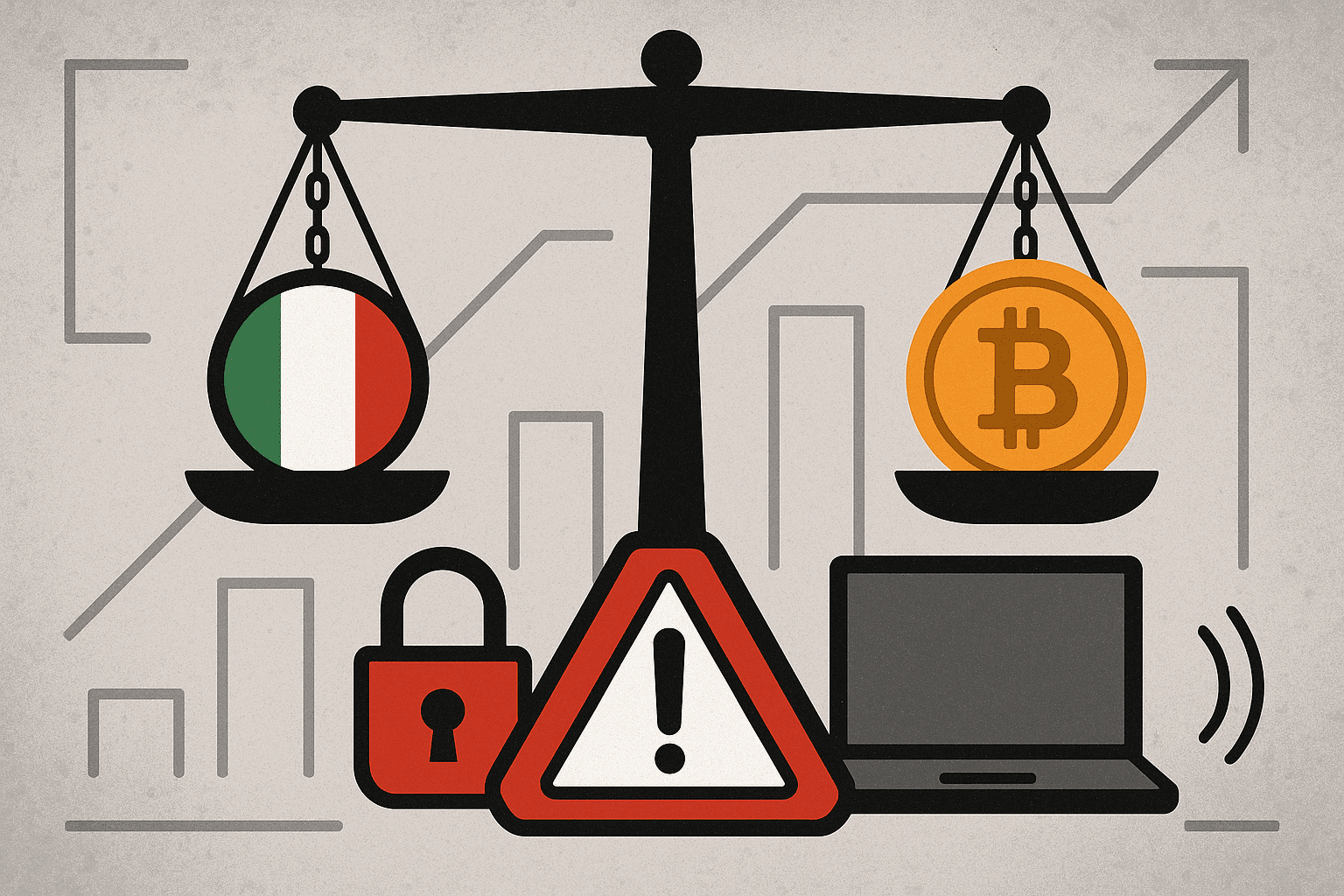
Italy is taking significant strides towards a more regulated cryptocurrency environment, as the Commissione Nazionale per le Società e la Borsa (Consob) has issued a directive that directly affects Virtual Asset Service Providers (VASPs). As the nation prepares for the full rollout of the Markets in Crypto-Assets Regulation (MiCAR) by December 30, 2025, VASPs are being urged to either obtain the necessary Crypto Asset Service Provider (CASP) approval or exit the market altogether.
Why It Matters
This move by the Italian regulator is more than just a compliance measure; it signifies a paradigm shift in how digital asset operations will be conducted in Europe. The urgency communicated by Consob reflects a growing recognition of the need for stricter oversight in the rapidly evolving crypto landscape. By enforcing these regulations, Italy aims to enhance investor protection, ensure market integrity, and mitigate risks associated with unauthorized operations. As such, it is a crucial step towards aligning Italy with broader European Union objectives, particularly those outlined in MiCAR.
The Implications for VASPs and Investors
The directive to cease operations for non-compliant VASPs raises several critical implications. For existing operators, it creates a pressing need to either expedite their compliance processes or face the consequences of shutdown. This could potentially lead to a consolidation in the market, where only those VASPs capable of meeting the stringent requirements will survive. Consequently, this may foster a more professional and trustworthy ecosystem for users, as compliant entities are more likely to adhere to best practices regarding user funds and data protection.
From an investor’s perspective, the transition to a regulated framework may instill greater confidence in the market. As unauthorized operators are compelled to return user assets, it diminishes the risk of loss due to mismanagement or fraud, a concern that has plagued the crypto sector historically. Furthermore, as compliant VASPs begin to emerge, investors may benefit from enhanced services and protections that align with traditional financial systems.
A Look Ahead: The Future of Crypto in Italy
As Italy navigates this regulatory transition, the focus will be on how effectively VASPs adapt to the new framework. The deadline of December 30, 2025, provides a timeline that allows operators to prepare, but it also sets the stage for potential market turbulence as entities scramble to comply. This regulatory landscape is not only significant for Italy but also sets a precedent for other nations considering similar measures.
In summary, while the immediate future may bring challenges for non-compliant VASPs, the long-term benefits of a well-regulated crypto environment may outweigh the growing pains. For investors and compliant operators alike, this regulatory clarity could usher in a new era of innovation and trust in the digital asset space.
Read Also Epochs