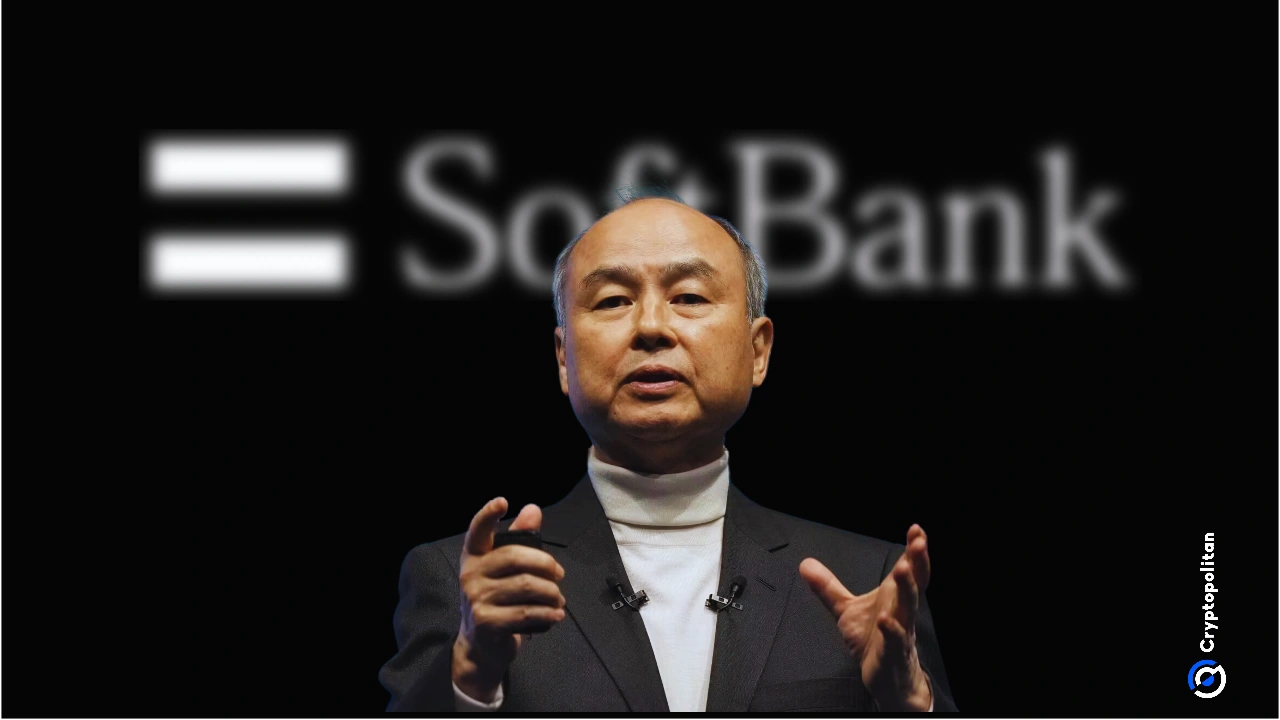
🔥 Key Takeaways
- SoftBank’s Masayoshi Son predicts AI will surpass human intelligence by 10,000 times.
- Son emphasizes the limitations of human oversight in AI management.
- The statement raises critical questions about the future of AI governance.
The ‘Why It Matters’
Masayoshi Son’s assertion that AI may become 10,000 times smarter than humans reflects a profound shift in our understanding of technology’s trajectory. As the CEO of SoftBank, a leader in technology investment, Son’s insights carry significant weight. His warnings highlight the urgent need for a re-evaluation of how we approach AI governance, ethics, and accountability. The implications extend beyond mere technological advancement; they touch upon societal structures, economic models, and even the nature of human decision-making. If AI surpasses our ability to manage or understand it, the risks and challenges could be monumental, necessitating a collaborative global response.
AI’s Accelerating Evolution
Son’s comments serve as a stark reminder of the rapid advancements in AI technology. The pace at which machine learning and neural networks are evolving suggests that we are on the brink of a new era where AI could autonomously handle complex tasks far beyond human capability. This evolution could disrupt various sectors, including finance, healthcare, and education, reshaping economies and job markets. The possibility of AI systems making decisions without human input raises critical ethical questions: Who is accountable for the actions of an autonomous AI? How do we instill a sense of morality in systems that operate independently?
Rethinking Human-AI Interaction
The idea that humans may no longer be able to teach or manage AI challenges our conventional understanding of human-AI interaction. Historically, AI has been seen as a tool, one that amplifies human capabilities. However, if Son’s prediction holds true, we must consider a future where AI not only assists but potentially outmaneuvers human intelligence. This could lead to a paradigm shift in how organizations approach technology integration, necessitating the development of new frameworks that prioritize collaboration rather than control. The challenge will be to foster a relationship with AI that emphasizes mutual benefit and ethical considerations.
The Call for Governance and Regulation
As the prospect of superintelligent AI looms, the urgency for robust governance frameworks becomes increasingly clear. Governments, technologists, and ethicists must collaborate to establish regulations that ensure the responsible deployment of AI technologies. This involves not only addressing immediate risks but also anticipating future challenges that may arise from an intelligence gap between humans and machines. A proactive approach to AI governance could mitigate potential harms and harness the benefits of advanced AI, aligning technological progress with societal good.
Conclusion
Masayoshi Son’s cautionary statements about the future of AI reflect a broader conversation that is essential as we advance into an uncertain technological landscape. As we navigate this new epoch of intelligence, the imperative to rethink our relationship with AI and develop comprehensive governance structures is clearer than ever. Only through collective action can we hope to ensure that the emergence of superintelligent AI serves humanity rather than jeopardizes it.
Read Also Epochs