🔥 Key Takeaways
- The U.S. Justice Department has dropped its case against Nathaniel Chastain, a former OpenSea manager.
- Chastain had been charged with wire fraud and money laundering but successfully appealed his conviction.
- This decision highlights the complexities and evolving nature of legal regulations in the crypto space.
US Prosecutors Abandon OpenSea Insider Trading Case
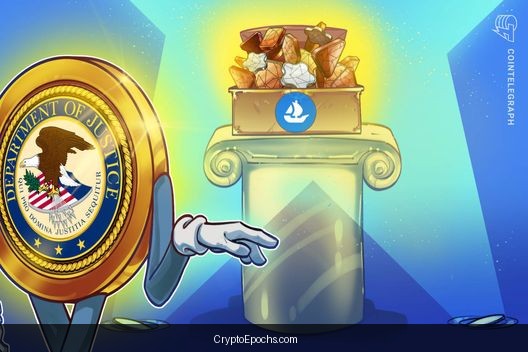
The U.S. Department of Justice (DOJ) has announced the dismissal of its case against Nathaniel Chastain, a former product manager at OpenSea, who was charged with insider trading and money laundering. The decision comes after Chastain successfully appealed his conviction, which had initially been a landmark case in the regulation of digital assets and market integrity.
Chastain was initially charged in 2022 with wire fraud and money laundering for allegedly using his position at OpenSea to trade non-fungible tokens (NFTs) based on non-public information. Prosecutors claimed that Chastain had access to data about upcoming NFT listings and used this information to profit from trades before the NFTs were publicly available.
However, Chastain’s legal team argued that the charges were based on a misinterpretation of the law and that the actions in question did not constitute insider trading as traditionally understood in financial markets. The appeal court agreed, finding that the DOJ had overstepped in applying traditional securities laws to the unique and rapidly evolving crypto and NFT markets.
This case has been closely watched by the crypto community and legal experts, as it highlights the ongoing challenges in regulating decentralized and often anonymous digital asset markets. The dismissal of the charges against Chastain underscores the need for clear and specific regulations tailored to the crypto space, rather than the application of existing laws that may not fit the unique characteristics of digital assets.
The decision also sends a signal to other market participants and regulators that the legal landscape for crypto and NFTs is still in flux. It encourages a more nuanced approach to regulation that considers the technological and cultural differences between traditional financial markets and the decentralized world of blockchain and digital assets.
While this case may have ended in the dismissal of charges, it is clear that the broader issues of market integrity, transparency, and consumer protection in the crypto space remain paramount. The crypto community and regulators alike will continue to grapple with these challenges as the industry evolves and matures.
For now, the focus will likely shift to how the DOJ and other regulatory bodies will approach similar cases in the future, and whether new legislation or guidance will be introduced to provide clearer boundaries for what constitutes insider trading in the digital asset space.
Read Also Epochs