🔥 Key Takeaways
- Bank of Korea (BOK) expresses concerns about potential FX risks associated with stablecoin issuance.
- Debate on stablecoin regulation and issuance in South Korea remains stalled.
- BOK highlights risks related to capital flows, issuer oversight, and the potential impact of USD-pegged stablecoins.
- Lawmakers continue to deliberate on the framework for regulating and potentially issuing stablecoins in the country.
- The central bank’s stance reflects a cautious approach to innovation in the crypto space, prioritizing financial stability.
South Korea’s Central Bank Puts Brakes on Stablecoin Issuance Amidst FX Concerns
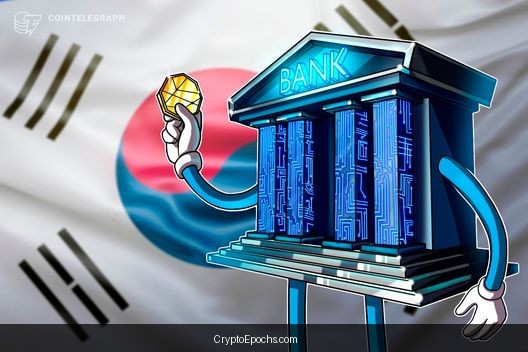
The stablecoin debate in South Korea continues to be a complex issue, with the Bank of Korea (BOK) recently voicing concerns about potential foreign exchange (FX) risks associated with their issuance. This comes as lawmakers deliberate on the framework for regulating and potentially issuing stablecoins within the country, highlighting a tension between fostering innovation and maintaining financial stability.
The BOK’s primary concerns revolve around several key areas. Firstly, they are wary of the potential impact on capital flows. The widespread adoption of stablecoins, particularly those pegged to the US dollar, could lead to significant outflows of Korean Won, potentially destabilizing the local currency and impacting the country’s monetary policy. The central bank emphasizes the importance of robust regulations to manage these capital flows effectively.
Secondly, the BOK underscores the need for stringent issuer oversight. They argue that clear guidelines and regulatory frameworks are crucial to ensure the stability and reliability of stablecoins. Without proper oversight, there is a risk of mismanagement, fraud, and potential losses for investors. The central bank believes that issuers should be subject to rigorous audits and reserve requirements to maintain investor confidence.
Finally, the BOK raises concerns about the potential impact of USD-pegged stablecoins on the Korean economy. A significant shift towards using USD-pegged stablecoins for transactions, even within Korea, could erode the sovereignty of the Korean Won and impact the central bank’s ability to control inflation and manage the money supply. This is a particularly sensitive issue for South Korea, which has a history of facing economic challenges stemming from its reliance on foreign currencies.
The ongoing debate reflects a broader global trend of regulators grappling with the challenges and opportunities presented by stablecoins. While stablecoins offer potential benefits such as faster and cheaper cross-border payments, they also pose significant risks to financial stability and monetary policy. South Korea’s cautious approach, driven by the BOK’s concerns, highlights the need for a carefully considered regulatory framework that balances innovation with financial prudence.
Read Also Epochs