Iran’s Central Bank Bought $500 Million in USDT Stablecoin to Prop Up Rial

Iran’s Central Bank secretly purchases over $500 million worth of Tether’s USDT stablecoin to stabilize the rial, amidst a deepening currency crisis.
Iran’s Central Bank secretly purchases over $500 million worth of Tether’s USDT stablecoin to stabilize the rial, amidst a deepening currency crisis.

Elliptic reports the Central Bank of Iran acquired $507M in Tether (USDt) to stabilize the Rial amidst sanctions and economic unrest. Read the full analysis.
Iran’s Central Bank acquires $507 million in Tether’s USDT stablecoin to support the rial and settle international transactions, marking a significant foray into digital currencies.
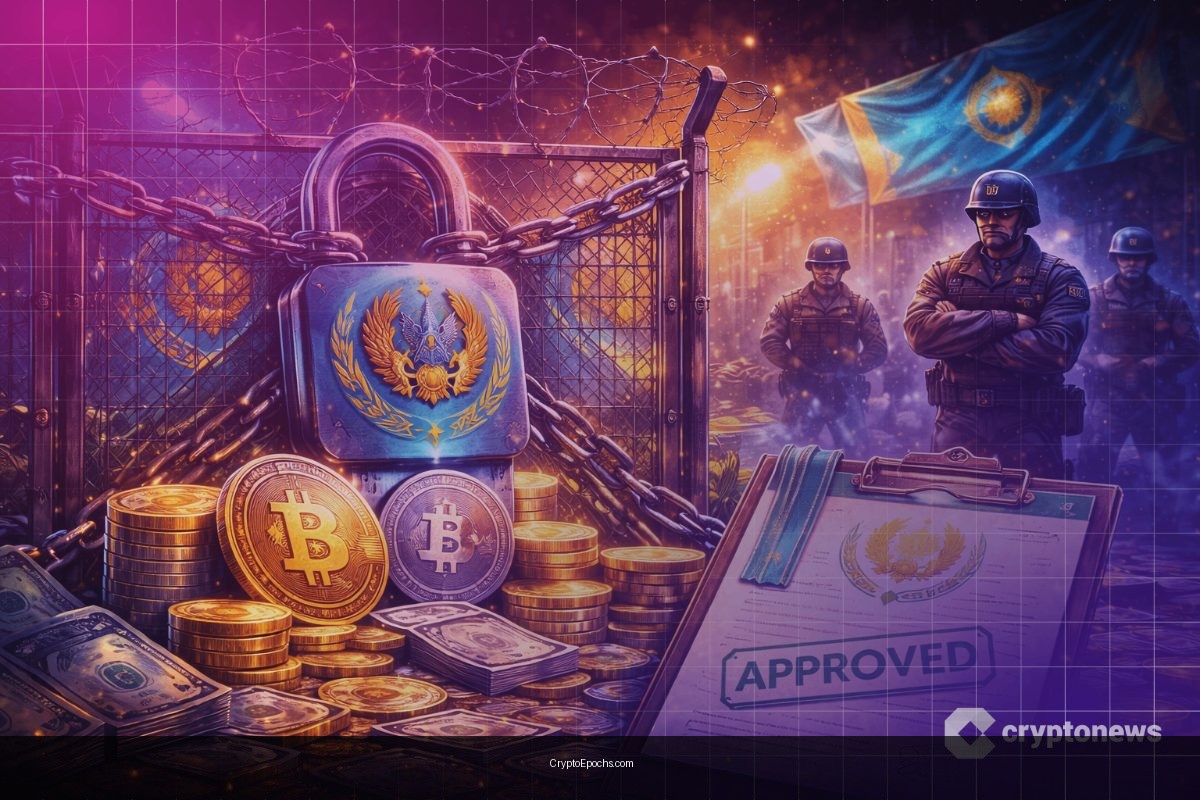
Kazakhstan restricts crypto trading to central bank-approved coins only, establishing a three-tier digital asset framework and shutting down 130 illegal exchanges.

India’s central bank proposes linking BRICS digital currencies for trade and tourism, aiming to enhance cross-border transactions and reduce reliance on traditional financial systems like SWIFT.

Kazakhstan’s new crypto regulations limit trading to central bank-approved coins, enhancing financial security and reflecting global trends in crypto oversight.

Turkmenistan has legalized crypto mining and exchange operations, but banned cryptocurrencies as payment. What’s behind this contradictory law, and what does it mean for the crypto industry?

Ghana passes law to legalize crypto trading, granting central bank authority to regulate and license providers.

Russia’s Central Bank has acknowledged the positive impact of Bitcoin mining on the ruble, with senior officials advocating for export classification. However, illegal mining operations continue to pose a challenge, resulting in lost tax revenue.
Russia’s central bank plans to limit new crypto purchases while allowing existing holdings, signaling a regulatory shift in crypto policy.