Vitalik Buterin Warns Ethereum Faces “Unwieldy Mess” — Demands Protocol Cleanup Now

Vitalik Buterin warns Ethereum risks becoming an “unwieldy mess” due to protocol complexity, demanding simplification for long-term resilience.
Vitalik Buterin warns Ethereum risks becoming an “unwieldy mess” due to protocol complexity, demanding simplification for long-term resilience.

Cross-chain bridges concentrate risk and centralize trust, creating vulnerabilities that could trigger a systemic crypto crisis under stressed market conditions.

Ethereum’s ‘walkaway test’ and quantum readiness are critical for ensuring the network’s long-term credibility, security, and adaptability. As quantum threats loom, these factors highlight Ethereum’s commitment to future-proofing its technology.

Bitchat, an internet-free encrypted messaging app, dominates Uganda’s app charts as authorities struggle to enforce internet restrictions, showcasing the power of decentralized tech.

Ethereum co-founder Vitalik Buterin outlines the ‘walkaway test’ for the network’s long-term sustainability, emphasizing the need for quantum resistance, scalable architecture, and a decentralized block-building model.
Ethereum has surpassed Bitcoin in corporate treasury holdings, driven by its diverse use cases in DeFi, smart contracts, and NFTs. Morgan Stanley’s analysis on decentralization adds a layer of complexity to the narrative.

Ethereum’s long-term evolution hinges on Vitalik Buterin’s concept of ossifiability, aiming to make the network resilient to the disappearance of core developers. This article explores the feasibility and challenges of this ambitious roadmap.

Discover Vitalik Buterin’s new resilience test for Ethereum, designed to ensure the network’s stability and decentralization in extreme scenarios.
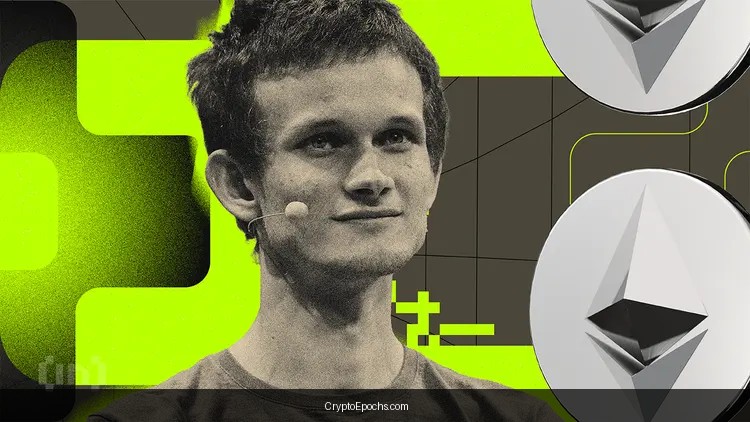
Vitalik Buterin proposes the concept of a “sovereign web” to counter corporate control over the internet, urging developers to focus on open systems and decentralization.

Ethereum staking has reached a choke point as institutions pile in despite low yields, with a significant share of the staked supply concentrated among dominant incumbents.