Samourai Letter #2: Notes From The Inside

Discover how the lack of access to traditional financial systems drives the need for alternative markets, as shared by Samourai Wallet developer Keonne Rodriguez in his second letter from prison.
Discover how the lack of access to traditional financial systems drives the need for alternative markets, as shared by Samourai Wallet developer Keonne Rodriguez in his second letter from prison.

Keonne Rodriguez, the developer behind Samourai Wallet, shares his personal experience of turning himself in and spending his first night in prison, offering a unique perspective on the intersection of personal freedom, technology, and the legal system.

Explore the rumors surrounding the US DOJ’s potential sale of $6 million in Bitcoin seized from Samourai Wallet founders and the implications this could have on the cryptocurrency market.
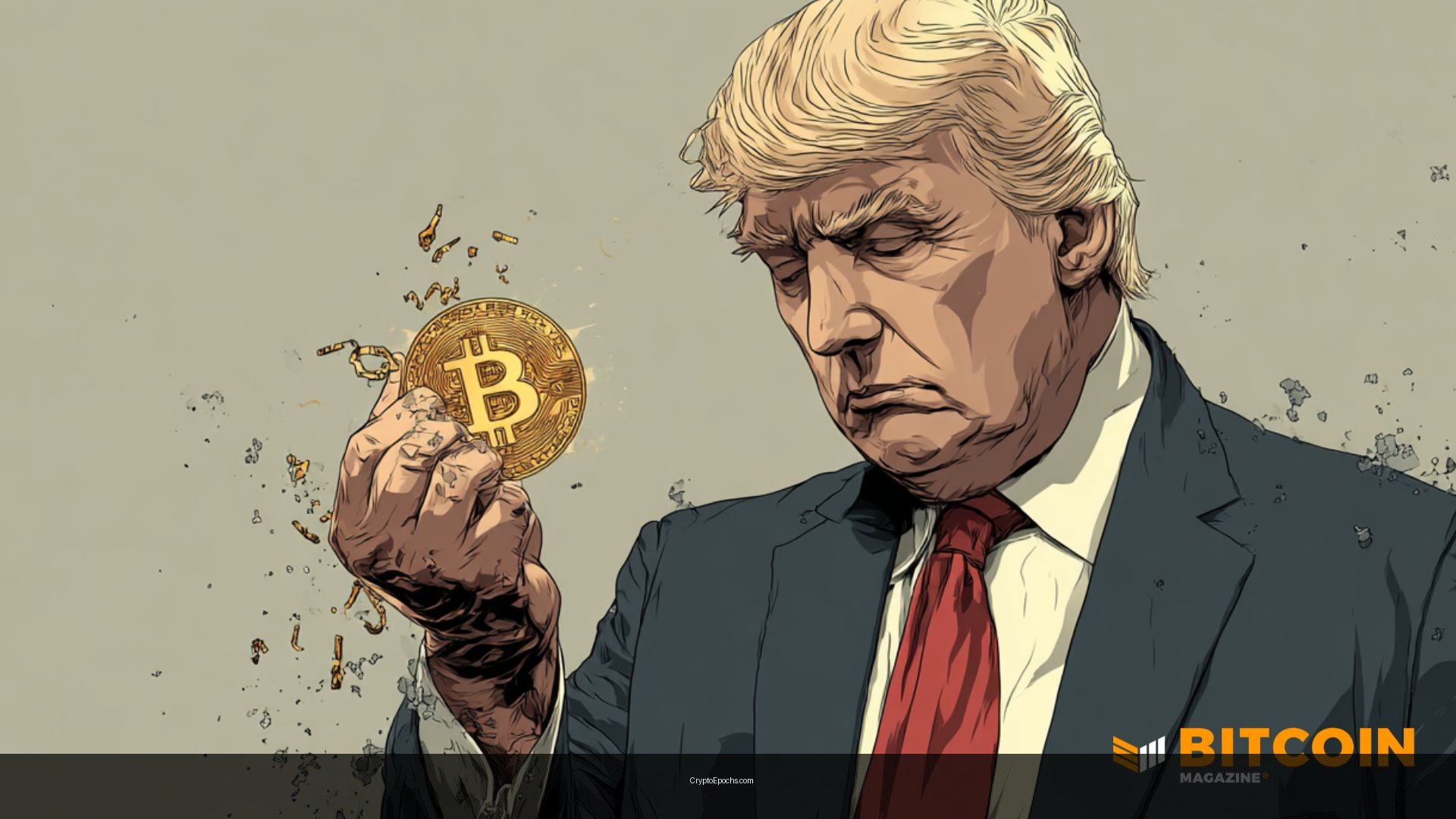
DOJ prosecutors face scrutiny for potentially violating President Trump’s executive order by selling the forfeited Samourai Wallet Bitcoin, raising concerns about the department’s handling of seized cryptocurrency assets.

Keonne Rodriguez, co-founder of Samourai Wallet, begins his sentence in a US federal prison, documenting his first day and highlighting regulatory challenges in the crypto industry.

The imprisonment of Samourai Wallet co-founder Keonne Rodriguez has reignited discussions on crypto privacy tools, developer liability, and executive clemency, prompting a reevaluation of the regulatory and legal frameworks surrounding cryptocurrencies.
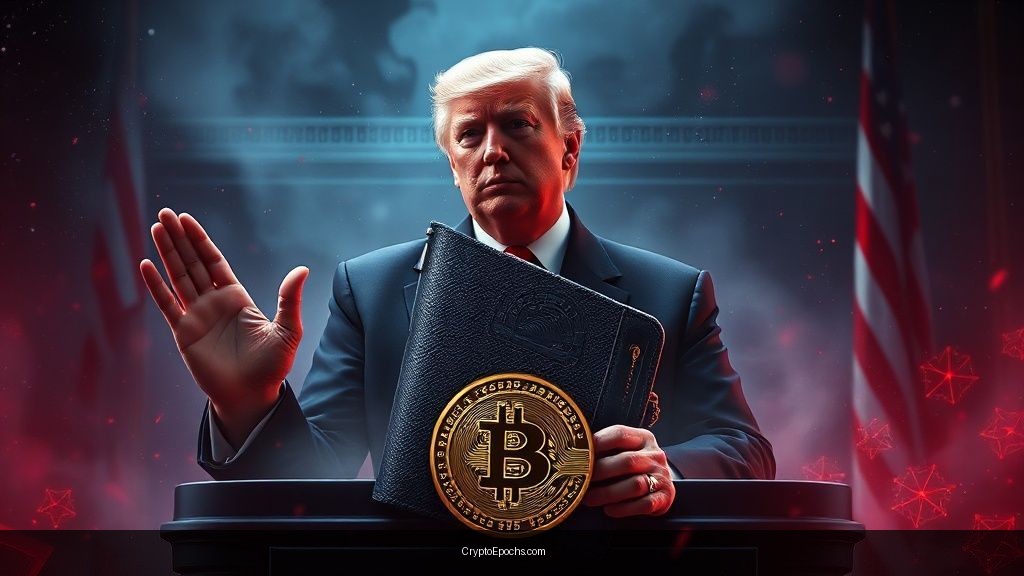
Former President Trump considers pardon for Samourai Wallet founder Keonne Rodriguez. This article analyzes the potential implications for crypto privacy and regulation.
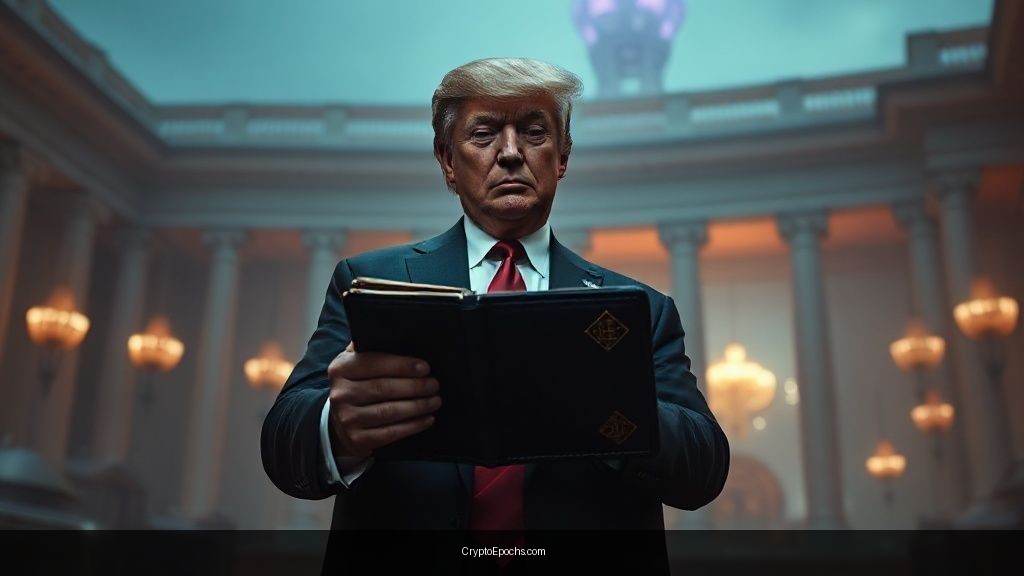
President Donald Trump hints at pardoning the CEO of Samourai Wallet, reigniting the debate over cryptocurrency privacy and regulation.

Analysis of Donald Trump’s potential pardon for Samourai Wallet co-founder and its implications for crypto regulation and privacy.
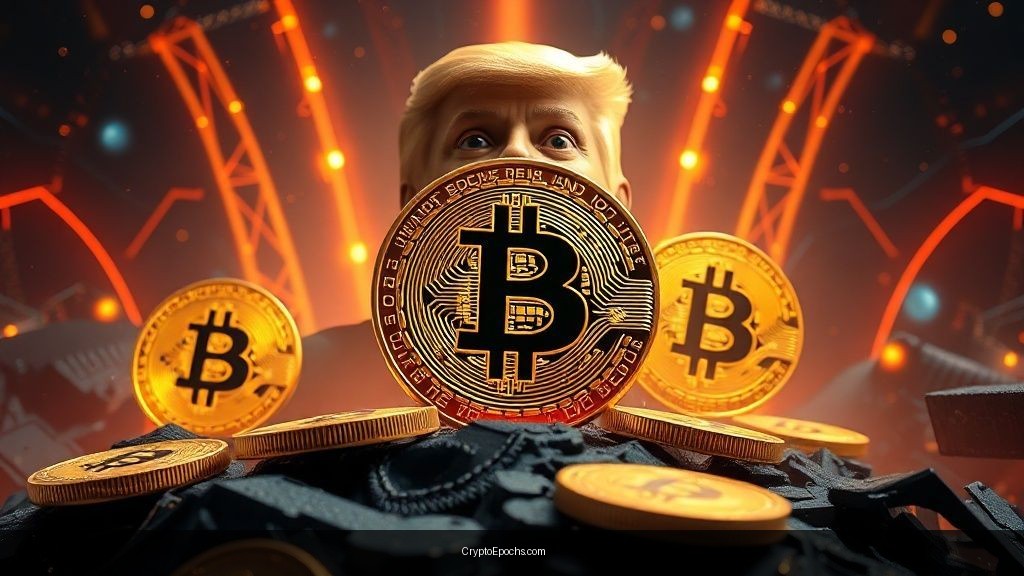
The developers of Samourai Wallet face prison time, prompting calls for a presidential pardon due to alleged prosecutorial misconduct and a disputed legal interpretation that FinCEN reportedly rejects.